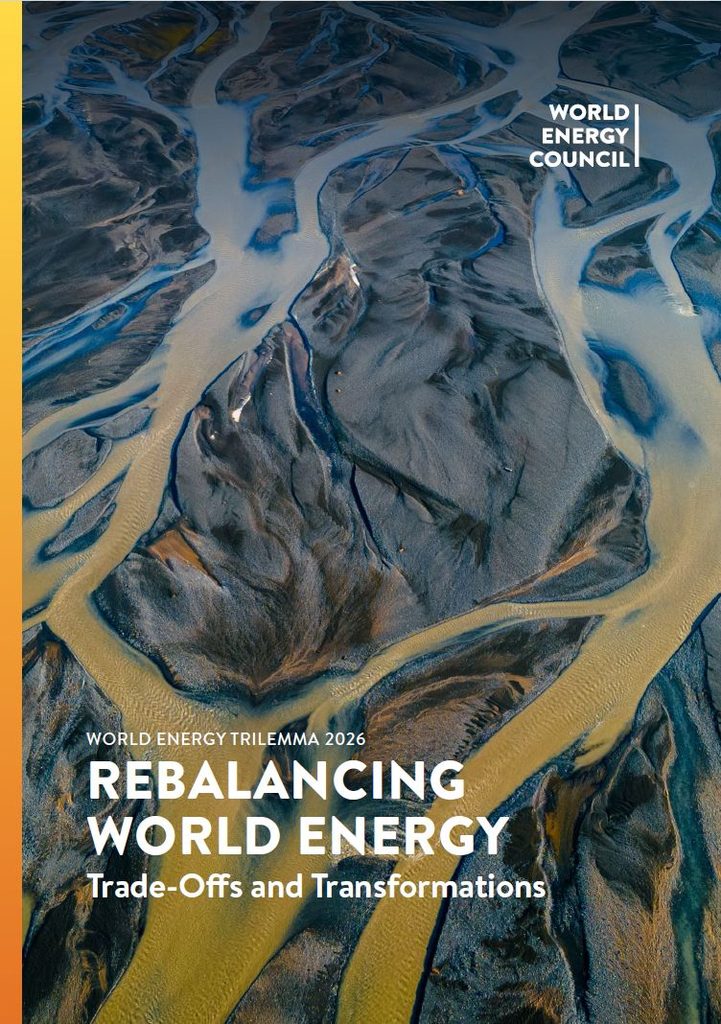

This is where the World Energy Trilemma 2026: Rebalancing World Energy: Trade-Offs and Transformations offers an important perspective. One of the key trade-offs identified in the report is investing in tomorrow’s energy system while managing today’s costs. The report asks: At what point does deferring investment cost more than building it, and who needs to be in the room to make that call? Simple question. Not a simple answer. The cost of building infrastructure can usually be estimated, while the cost of waiting is usually much harder to see. Delaying an investment may help manage costs today, but it can also make future solutions even more difficult or expensive. Investing ahead of demand, on the other hand, brings the opposite challenge, as the costs are incurred before the benefits are realised.
The same way of thinking can be applied to major investments more broadly. A new data centre, for example, can create economic activity and new demand for electricity, while also increasing the need for infrastructure and affecting how capacity is used elsewhere in the system. This is why looking at an investment from only one perspective can give an incomplete picture.
The World Energy Trilemma cannot be approached through a one-size-fits-all or single-issue agenda. Instead, it is about managing the connected challenges of energy security, energy equity and environmental sustainability. An investment may strengthen energy security, while at the same time raising questions about affordability, access to electricity for other users or environmental impacts. The balance between these three dimensions is never fixed. Instead, it depends on the circumstances and needs to be managed and reassessed over time.
Data centres are only one part of a much broader change in electricity demand, alongside industrial electrification, hydrogen projects, electric boilers and other new uses of electricity. At the same time, the energy system itself is becoming more interconnected. The challenges are increasingly about grids, storage, flexibility and system integration, and about how the different parts of the system work together. The Trilemma report describes this shift as moving from optimising individual technologies and assets towards understanding and stewarding the whole system.
And there is also a longer-term question. Decisions made today influence where infrastructure is built, where new industries develop and where future economic value is created. They also affect who carries the costs and who benefits from the investments. It is easy to focus on the most immediate objective and lose sight of what a decision may mean elsewhere in the system.
That is why I think the question of whether an individual investment is simply good or bad is too narrow. We need to understand the trade-offs and bring different perspectives into the conversation to find the right balance and make the call.
Silja Valta
Secretary General, World Energy Council Finland
Sources:
Fingrid: Electricity consumption is set to increase sharply – more balancing power will also be needed
World Energy Council, World Energy Trilemma 2026 – Rebalancing World Energy: Trade-Offs and Transformations (https://www.worldenergy.org/publications/entry/world-energy-trilemma-report-2026)